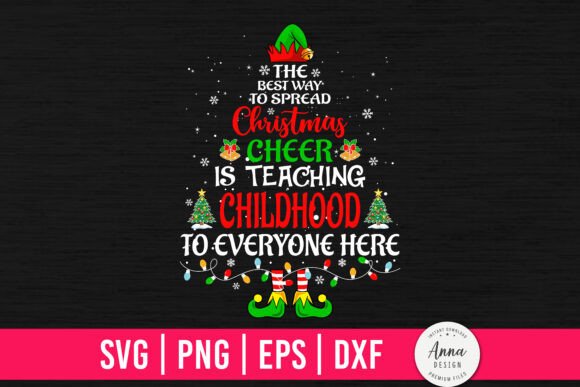
Childhood Teacher Christmas Elf Review
When I first opened the file for Childhood Teacher Christmas Elf Christma, my immediate reaction was a mix of nostalgia and practical assessment. As someone who spends hours testing designs before they ever touch a hoop, I know that the difference between a cute image and a successful embroidery project lies in the execution. This design brings a warm, festive energy that feels perfect for the holiday season, but does it hold up when translated from a screen to thread? Let's walk through exactly how this piece performs in real-world scenarios.
The First Impression: Mood and Visual Personality
The moment you see the layout, it screams "holiday cheer." The concept of an elf dedicated to childhood teachers is a charming angle that resonates deeply with parents and educators alike. Unlike generic Santa or reindeer motifs, Childhood Teacher Christmas Elf Christma offers a specific narrative that can elevate a simple gift into something memorable. The visual personality is playful yet structured, which is crucial for maintaining clarity during the stitching process.
From a design standpoint, the composition feels balanced. It avoids the cluttered look that often plagues complex holiday graphics. Instead, it focuses on key elements that translate well into stitches. For a small business owner looking to create unique merchandise, this kind of targeted theme helps products stand out in crowded marketplaces like Etsy. It isn't just a graphic; it is a conversation starter that fits naturally into the Print Templates and Graphics categories for those who value storytelling in their craft.
Real-World Application: From Digital File to Finished Product
I recently put this design to the test while preparing custom gifts for a local school district. My goal was to create personalized aprons for the kindergarten staff, along with matching tote bags for the faculty lounge. Using Childhood Teacher Christmas Elf Christma as the centerpiece, I wanted to see how it would handle different fabric textures and garment types.
On the aprons, the design excelled. The clean lines worked beautifully against the cotton canvas, creating a crisp finished product that looked professional and polished. The colors popped without overwhelming the fabric, making it an ideal choice for custom apparel. However, when I moved to the tote bags, I had to adjust my approach slightly. The larger surface area allowed the design to breathe, but I had to ensure the stabilizer was heavy enough to prevent puckering, especially around the denser areas of the elf's hat.
This versatility is what makes the design so valuable for crafter business owners. Whether you are producing sweatshirt embroidery for holiday parties or creating tiny baby embroidery pieces for nursery decor, the core shape remains recognizable and effective. It bridges the gap between a fun hobbyist project and a commercial asset that customers are willing to pay for.
Where This Design Shines
- Holiday Gifts: The thematic relevance makes it a top pick for teacher appreciation gifts during December.
- Small Shop Merchandise: Perfect for boutique branding where a cohesive holiday collection is needed.
- Personalized Products: Works exceptionally well when combined with names or class years on tote bag design projects.
- Kitchen Towels and Aprons: The sturdy nature of the design holds up well to frequent washing, a must for functional items.
Navigating Technical Challenges
No design is without its hurdles, and understanding the limitations of Childhood Teacher Christmas Elf Christma is just as important as knowing its strengths. As an experienced designer, I always advise testing on scrap fabric first. While the main elements stitch up cleanly, there are nuances to consider depending on your equipment and materials.
If you are working with small hoop sizes, such as 4x4 inches, you may need to crop the design or scale it down carefully. Tiny details, particularly in lettering or intricate facial features, can get lost if the stitch density is too high relative to the available space. Similarly, textured fabrics like bouclé or thick fleece can obscure fine lines. In these cases, using a lighter thread color or simplifying the background might be necessary to maintain stitching clarity.
Stretchy fabrics present another challenge. When embroidering on cap brims or stretchy knit t-shirts, the tension must be perfectly calibrated. Without proper stabilizer, the design could distort, ruining the professional look of the final item. I also recommend inspecting the design for dense stitch areas; if the machine struggles to push thread through tight clusters, it can lead to thread breaks or uneven coverage.
Strategic Placement Tips
- Fabric Texture: Avoid highly textured surfaces unless you plan to use a bold outline to define the edges.
- Dark Fabrics: Ensure your thread colors provide sufficient contrast. A light-colored design on dark fabric requires careful underlay selection.
- Curved Surfaces: For hats and curved garments, check the distortion preview in your software to ensure the text remains legible.
- Detailed Corners: If the design includes sharp corners, verify that the machine can execute them cleanly without excessive trimming.
Impact on Brand Value and Customer Trust
In the world of handmade goods, presentation is everything. A poorly executed design can undermine even the best product idea. Childhood Teacher Christmas Elf Christma, when stitched correctly, adds significant perceived value to a product. Customers associate neat, consistent stitches with quality craftsmanship. This builds trust and encourages repeat purchases for Etsy sellers and small shop product creators.
The design also enhances brand consistency. If you are building a line of holiday-themed items, having a cohesive set of graphics allows you to create a unified look across your catalog. Whether it is a pillow cover for the home or a kitchen towel for the office, the recurring motif creates a recognizable identity. Furthermore, the emotional connection of the theme—honoring teachers—adds a layer of sentimentality that buyers love, increasing the likelihood of gifting and sharing.
Practical Designer Notes for Success
Before you commit to a large production run, there are several steps every embroidery designer should take. First, review the stitch density within your digitizing software. If the design feels too dense, consider adjusting the settings to reduce thread usage and improve texture. Second, test various thread colors to find the combination that offers the best contrast and vibrancy.
It is also vital to confirm the licensing terms before selling finished items. Ensure you have the rights to use Childhood Teacher Christmas Elf Christma for commercial purposes. Additionally, create black and white mockups to visualize the design's structure independent of color. This helps identify any potential issues with negative space or alignment that might not be obvious in full color.
Finally, remember that digital files are only as good as the execution. Use the right stabilizer for your fabric type, double-check your hoop size constraints, and always do a test run on scrap material. By paying attention to these details, you transform a simple digital embroidery file into a high-quality embroidered patch or garment that your customers will cherish.
Ultimately, Childhood Teacher Christmas Elf Christma is a strong candidate for your holiday collection. With thoughtful planning and technical care, it can serve as the foundation for beautiful, meaningful creations that celebrate the spirit of the season and the hard work of educators.