I'm the Nanny Elf Funny Christmas Design Review
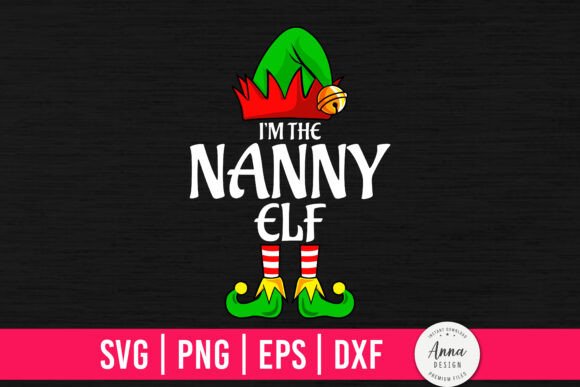
When I first opened the I'm the Nanny Elf Funny Christmas file, my immediate reaction wasn't about the technical specs, but about the vibe. As someone who has spent years refining embroidery files for clients and personal boutique lines, I know that a design's success often hinges on its personality before it ever hits the hoop. This piece radiates a playful, slightly cheeky holiday spirit that feels perfectly suited for modern handmade shops. It isn't trying to be a traditional, ornate Christmas scene; instead, it leans into the humor of the season, making it an excellent candidate for custom apparel or personalized gifts where a touch of wit is appreciated.
The layout strikes a balance between readability and charm. The typography suggests a hand-drawn aesthetic that translates well into stitch work, avoiding the stiff, robotic look that can plague some digital graphics. For an embroidery designer, this is crucial. A design that looks good on a screen doesn't always hold up under the tension of thread. In this case, the curves and angles appear forgiving, which bodes well for maintaining clarity during the stitching process. It feels like a design meant to bring a smile to a recipient's face, whether it ends up on a baby onesie or a festive apron.
Real-World Application: From Screen to Stitch
Let's talk about how I'm the Nanny Elf Funny Christmas performs when we move from a digital preview to a physical project. Imagine you are prepping for a busy holiday season and need to produce a line of boutique items. You decide to use this design for a set of custom embroidered tote bags intended as corporate holiday gifts or small shop merchandise. The text-heavy nature of the design requires careful placement. On a sturdy canvas tote, the design would anchor nicely in the center, offering high visibility and durability.
However, the true test comes with more challenging substrates. Consider a sweatshirt or a thick fleece hoodie. Here, the density of the stitches becomes a factor. If the file includes heavy fill stitch areas, you might find that the fabric bunches up if not stabilized correctly. But if the design relies more on satin stitch for the outlines and lettering, it could create a sleek, professional finish that elevates the perceived value of the garment. I envision this design looking particularly striking on a dark navy or forest green background, where light-colored threads pop against the deep color, enhancing the festive mood.
For those selling on Etsy or running a small business, the versatility of this file is a major asset. It fits seamlessly into categories like holiday embroidery and personalized gifts. A customer ordering a matching set for a family nanny or a teacher might appreciate the specific "Nanny Elf" theme. It allows for a level of customization that generic store-bought items cannot match. When you present a finished product featuring this design, it signals attention to detail and a connection to the customer's specific needs, which fosters trust and repeat business.
Where to Exercise Caution
While the design has strong potential, every experienced crafter knows that context is everything. There are scenarios where I'm the Nanny Elf Funny Christmas might require extra preparation or might simply not be the right fit. One area to watch closely is small hoop sizes. If you are attempting to stitch this onto a cap brim or a tiny baby bib, the lettering might become too compressed. Tiny details can get lost in the thread, turning crisp text into a blurry mess. Always verify the hoop size requirements before committing to a small item.
Fabric texture also plays a pivotal role. While this design works beautifully on smooth cotton or polyester blends, textured fabrics like chunky knits or bouclé can obscure the fine details of the lettering. The uneven surface might cause the needle to skip or the thread to break, leading to frustration. Similarly, stretchy fabrics like jersey or spandex require a stabilizer that matches the stretch of the material. Without the right support, the design could pucker or distort once the garment is worn and washed.
Dense stitch areas are another consideration. If the design features large blocks of solid color, it adds weight and stiffness to the final product. On delicate items like a silk pillow cover or a thin kitchen towel, this weight might feel out of place or even damage the fabric over time. For these applications, a lighter touch or a reduced stitch count version of the design would be preferable. Additionally, if you plan to sell finished items commercially, ensure that the licensing terms allow for it. Many digital embroidery files have restrictions on commercial use that must be respected to avoid legal issues.
Design Notes for the Practical Maker
Before you start your next production run, there are a few practical steps to ensure I'm the Nanny Elf Funny Christmas delivers the best results. First and foremost, always test the design on scrap fabric that matches your final project material. This simple step can save hours of rework and wasted thread. Check the thread color contrast carefully; what looks vibrant on your monitor might appear muddy on a specific fabric shade. A black-on-black or dark gray-on-dark blue combination might lack the punch needed for a festive design.
Review the stitch density settings in your software. High density can lead to thread breaks and fabric distortion, while low density might leave gaps in the lettering. Adjust the density based on the fabric type—lower for delicate materials, higher for sturdy denim or canvas. Inspect small details like the serifs or decorative elements in the font. Sometimes, scaling a design down can make these tiny features disappear entirely. If necessary, consider simplifying the design or increasing the size to maintain clarity.
Testing in black and white mockups is another smart strategy. This helps you visualize the contrast and composition without the distraction of color. It ensures that the design holds its shape and readability regardless of the thread palette you choose. Also, compare how the design looks on both light and dark backgrounds. A design that works perfectly on white might need a different outline strategy when placed on a dark shirt to ensure the edges remain sharp.
Using the proper stabilizer is non-negotiable. For this type of text-heavy design, a cut-away stabilizer is often the safest bet for durability, especially for items that will be washed frequently. However, if you are working with lightweight fabrics, a tear-away might suffice, provided the design isn't too dense. Finally, confirm whether the file is suitable for both personal and commercial projects. Many sellers assume all designs are free for commercial use, but this varies by creator. Double-check the license to protect your craft business.
In conclusion, I'm the Nanny Elf Funny Christmas offers a fun, engaging option for anyone looking to add a unique touch to their holiday collection. Its playful theme and clean layout make it a versatile choice for various products, from tote bag designs to baby embroidery. By paying attention to fabric selection, stabilization, and testing, you can transform this digital graphic into a high-quality finished product that customers will love. Whether you are a seasoned pro or just starting your journey in commercial embroidery, this design provides a solid foundation for creating memorable, handmade treasures.