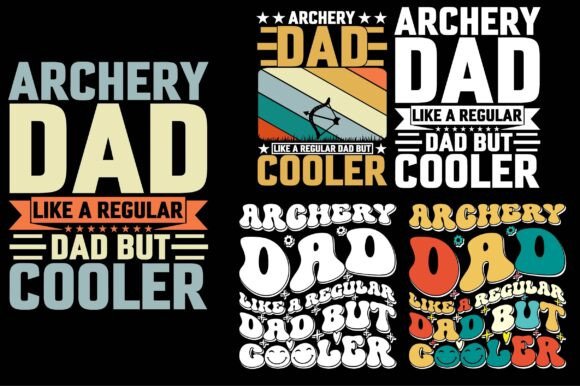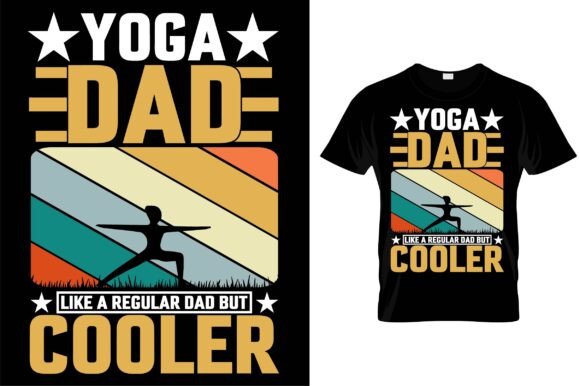
Woodworking Dad Like a Regular Dad but C Review
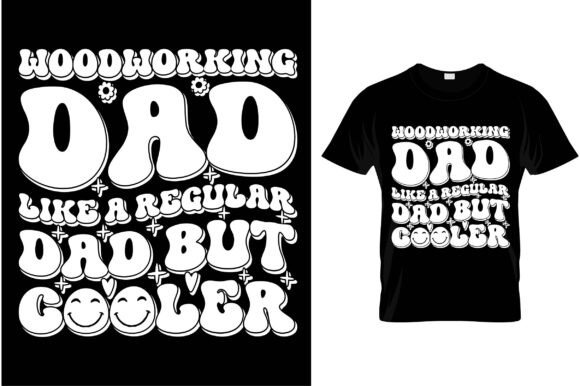
When I first opened the file for Woodworking Dad Like a Regular Dad but C, my immediate reaction wasn't about the marketing hype. It was about the layout. As someone who has stitched thousands of designs for clients, from corporate polos to custom baby onesies, I look for one thing above all else: versatility. This design sits in that sweet spot between a casual graphic tee and a heartfelt gift item. The phrase itself carries a specific mood—it is proud, slightly humorous, and deeply relatable to anyone who spends their weekends covered in sawdust.
The product description mentions 100 editable files and color-changing capabilities, which is a massive plus for a T-Shirt Designs category item. However, as an embroidery designer, I am always skeptical of "editable" claims until I see how the layers actually behave in the hoop. My goal here is not to sell you the file, but to tell you if it will survive a real-world production run on your machine without causing thread breaks or puckering.
First Impressions and Visual Personality
The visual personality of this design leans heavily into the "handmade" aesthetic. It feels like something you would find on a well-worn apron or a canvas tote bag rather than a high-fashion runway piece. The text-based nature means there are no complex applique shapes to worry about, but the lettering style dictates the entire feel of the project. If the font is too thin, it risks disappearing on textured fabrics. If it is too dense, it might create a stiff, cardboard-like feel on soft apparel.
In a digital mockup, the contrast looks sharp. But in embroidery, we deal with physical thread. The design relies on clean lines and readable spacing. For a small business owner planning an Etsy listing, this is crucial. A design that looks good on a screen can look muddy when stitched with polyester thread on a dark cotton blend. The "cooler" aspect of the quote suggests a modern, slightly edgy vibe, which works exceptionally well for custom apparel targeting dads who want to show off their skills without being overly sentimental.
Real-World Application: The Tote Bag Scenario
Let's talk about a specific use case. Imagine you are preparing for a local craft fair or fulfilling a rush order for a boutique shop. You need a personalized gift for a woodworking enthusiast. You decide to create a custom embroidered tote bag. This is where Woodworking Dad Like a Regular Dad but C shines.
A tote bag offers a flat, stable surface, usually made of heavy-duty canvas or cotton duck. These materials are forgiving for embroidery. When I stitch this design onto a natural-colored canvas bag, the thread colors pop beautifully. The text remains legible even after several washes because the fabric provides enough structure to hold the stitches without distorting. The design fits perfectly on the front panel, acting as a statement piece that customers will notice immediately.
However, consider the logistics. If you are selling these as part of a bundle with other items, like kitchen towels or pillow covers, consistency is key. Does this design translate well to a tea towel? Yes, provided you adjust the stitch density. Tea towels often have a more open weave, so you need to ensure the stabilizer is robust enough to prevent the fabric from pulling during the stitching process. The design is simple enough that it won't get lost in the texture of a woven towel, making it a strong candidate for holiday gifts or wedding presents.
Where to Exercise Caution
Not every project is a good fit for this design, and knowing where to draw the line is what separates a pro from an amateur. There are specific scenarios where Woodworking Dad Like a Regular Dad but C might struggle.
- Small Hoop Sizes: If you are working on a very small area, like the side of a baseball cap or a tiny patch, the text might become cramped. Embroidery requires breathing room for the thread to sit correctly. If the letters are too close together on a curved surface, they can merge visually, ruining the message.
- Stretchy Fabrics: Avoid using this on highly stretchy jersey knits unless you have extensive experience with tear-away stabilizers. The tension of the stitches can cause the fabric to pucker around the text, making the words look wavy and unprofessional.
- Detailed Corners: While the design is text-heavy, check the corners of the letters. If the original vector art has sharp angles that are converted to tight satin stitches, they might break down on smaller garments. Always inspect the digitization before running a full production batch.
- Dense Stitch Areas: If the design uses heavy fill stitches for the background or thick outlines, it may feel uncomfortable against the skin on baby clothes. For baby embroidery, lighter stitch counts and softer textures are generally preferred.
Impact on Product Value and Brand Consistency
For Etsy sellers and small shop owners, the quality of the embroidery directly impacts customer trust. A sloppy stitch job on a "Woodworking Dad" shirt can make the entire brand look cheap, even if the product itself is high quality. Conversely, a crisp, well-executed design elevates the perceived value of the item.
This design allows for significant customization through thread colors. You could use earth tones like browns and greens to match the woodworking theme, or go bold with navy and white for a classic look. This flexibility helps maintain brand consistency across different products. Whether you are creating a digital embroidery file for resale or producing finished goods, the ability to change colors while keeping the layout intact is a valuable asset.
When used correctly, this design signals professionalism. It tells the buyer that the creator understands the nuances of machine embroidery design. It is not just a print slapped on fabric; it is a crafted element that adds texture and depth. This distinction is vital for commercial embroidery projects where durability and aesthetics are paramount.
Practical Designer Notes for Execution
Before you commit to a large production run, follow these practical steps to ensure success:
- Test on Scrap Fabric: Never start with your final product. Use scrap pieces of the intended fabric to test stitch density and tension. This saves money and prevents waste.
- Check Thread Contrast: Ensure the thread colors chosen provide enough contrast against the fabric. On dark fabrics, light threads can sometimes get lost if the stitch count is too low.
- Review Stitch Density: Look at the fill stitch areas. If the design is too dense, it will be stiff. If it is too sparse, it will show the fabric underneath. Adjustments may be needed based on your specific machine.
- Confirm Hoop Size: Make sure the design fits within your standard hoop sizes. If the design is larger than your hoop, you may need to re-digitize or split the file.
- Inspect Small Details: Zoom in on the lettering. Are any parts of the text too fine to stitch reliably? If so, simplify the design.
- Test Black and White Mockups: Sometimes color masks the issues. View the design in grayscale to see if the contrast holds up.
- Verify Licensing: Before selling finished items or distributing the design assets, double-check the licensing terms. Some files are for personal use only, while others allow commercial sales.
Ultimately, Woodworking Dad Like a Regular Dad but C is a solid choice for designers looking to add a touch of personality to their custom apparel and personalized gifts. It works best when paired with sturdy fabrics and proper stabilization techniques. By treating the digitization with respect and testing thoroughly, you can turn this simple text design into a standout product that resonates with customers and builds your reputation as a skilled maker.