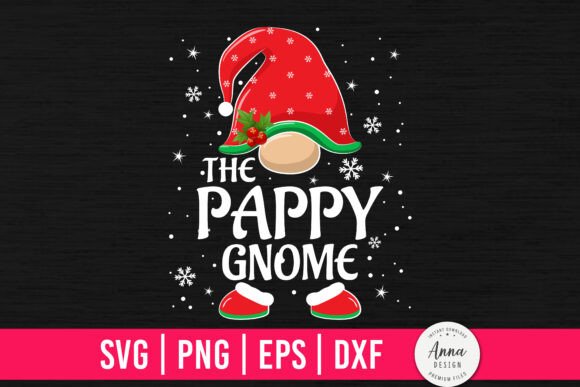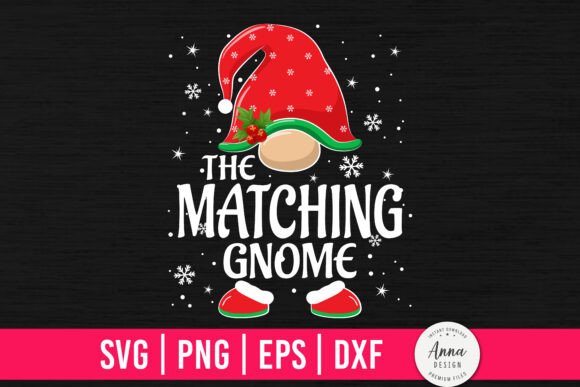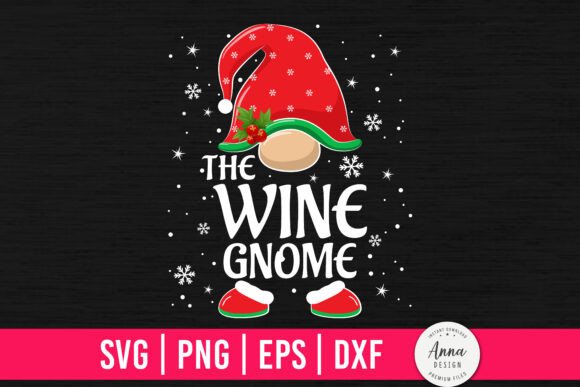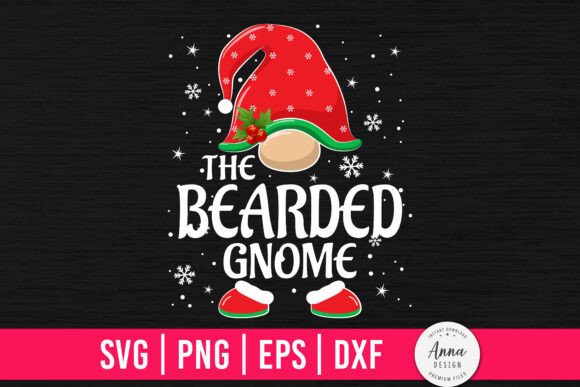
The Granna Gnome: A Designer's Real-World Embroidery Review
When I first opened the file for The Granna Gnome, my immediate thought wasn't about the file formats or the pixel count. It was about the character. As a designer who has spent years turning digital assets into tangible, stitched products, I know that the difference between a design that looks great on a screen and one that holds up in a real-world embroidery project comes down to personality and structure. This piece of Graphics falls under the broad category of Print Templates, but its true potential lies in how it translates from a vector path into a tactile memory on fabric.
I recently decided to put The Granna Gnome through the wringer before adding it to my own commercial collection. The goal was simple: create a high-quality, personalized gift for a client who runs a boutique nursery. She needed something that felt cozy, nostalgic, and distinctly handmade. After running several test stitches, here is my honest assessment of how this design performs when you move it from your cutting machine software to the hoop.
First Impressions and Visual Personality
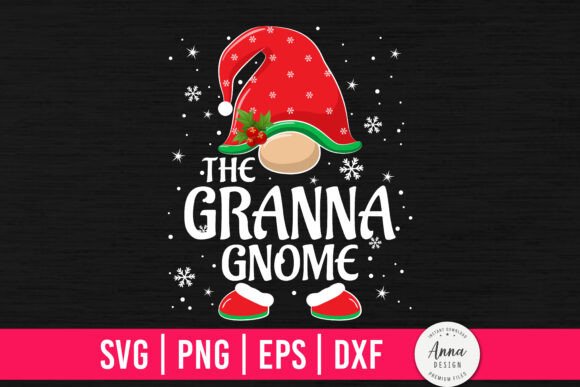
The mood of The Granna Gnome is undeniably warm. It captures a specific aesthetic that resonates deeply with current trends in home decor and apparel. Unlike many generic gnome designs that feel cluttered or overly cartoonish, this one strikes a balance between detailed charm and clean lines. The shape suggests a figure that is approachable and friendly, making it an ideal candidate for personalized gifts or items intended for children's rooms.
In terms of layout, the design feels grounded. It doesn't rely on excessive negative space, which means it will hold its visual weight well even when stitched onto smaller items like caps or aprons. The visual personality is distinct enough to stand alone as a logo for a small shop product, yet soft enough to serve as a decorative accent on a larger textile. When you look at the raw vector, you can see where the satin stitch areas likely begin and end, suggesting a professional approach to digitization that prioritizes texture over mere outline.
Real-Life Application: From Screen to Stitch
To truly understand the value of this embroidery file, I tested it on a variety of fabrics, simulating different client requests. The first scenario was a custom embroidered tote bag made of heavy cotton canvas. On this textured surface, The Granna Gnome performed admirably. The fill density allowed the colors to pop without showing too much of the underlying canvas weave, creating a crisp finish that elevates the perceived value of the finished product.
I then moved to a softer application: a baby onesie made of organic cotton jersey. This is often a tricky substrate because of the stretch. Here, the design required careful stabilizer selection. Once stabilized correctly, the curves of the gnome's hat and beard translated beautifully. The running stitch details used for facial features remained clear, avoiding the "mushy" look that often plagues stretchy fabrics. For an Etsy seller looking to expand their catalog into baby items, this design offers a strong foundation for creating unique, marketable inventory.
I also considered its use on holiday-themed merchandise. Imagine The Granna Gnome stitched onto a kitchen towel or a pillow cover during the winter season. The design's cozy vibe fits perfectly into that narrative. It isn't just a picture; it becomes part of the home's atmosphere. For craft fair vendors, having a design that evokes such a strong emotional response is crucial. Customers don't just buy a tote bag; they buy the feeling of warmth and tradition that the design projects.
Where to Exercise Caution
While The Granna Gnome is versatile, no single design is perfect for every situation. There are specific scenarios where you need to be mindful of the limitations. If you are working with very small hoop sizes, such as those found on some portable machines, you must evaluate the level of detail carefully. Tiny elements might get lost or become distorted if the scale is reduced too aggressively.
Textured fabrics, like bouclé or heavy fleece, present another challenge. The irregular surface can interfere with the stitch density, causing the thread to skip or the design to look uneven. Similarly, dark fabrics require a strategic choice of thread colors. If the base design relies on light shading, it may not show up clearly against a black background without additional underlay or a contrasting background patch. Always test on scrap fabric first to ensure the contrast works for your specific colorway.
Curved surfaces like baseball caps demand precision. While the design is scalable, the curvature of the cap can distort straight lines if not hooped correctly. Ensure that the design is centered properly and that the tension is adjusted for the curve. Additionally, if you plan to wash the finished product frequently, such as work aprons or daily-use towels, check the durability of the edges. Dense stitch areas are generally robust, but delicate corners should be reinforced with proper stabilizers to prevent fraying over time.
Impact on Brand and Customer Trust
For creative entrepreneurs and small business owners, the quality of your embroidery directly impacts customer trust. A sloppy stitch job can make a handmade product look cheap, regardless of the price point. The Granna Gnome, when executed well, signals professionalism. It shows that you care about the details and have invested time in selecting high-quality design assets.
This design enhances the visual appeal of your portfolio. Whether you are creating printable mockups for your online store or displaying finished goods at a boutique, the clarity of the stitching makes the item more desirable. It supports brand consistency by providing a reliable graphic element that customers can recognize across different products—from custom apparel to embroidered patches. When buyers see consistent quality, they are more likely to return and recommend your shop to others.
Practical Designer Notes for Success
If you are planning to incorporate The Granna Gnome into your workflow, keep these practical tips in mind to ensure the best results:
- Test Before You Sell: Never assume a design will work perfectly on the final fabric. Always run a test stitch on a scrap piece of the same material you intend to use.
- Check Thread Contrast: Evaluate how the thread colors interact with the fabric. A design that looks vibrant on a white screen might appear muddy on a navy blue shirt.
- Review Stitch Density: Look closely at the digitization. Areas with too much fill can cause puckering, while sparse areas might lack definition.
- Confirm Hoop Size: Ensure the design dimensions fit within your machine's maximum hoop size, especially if you are working on large items like blankets.
- Inspect Small Details: Zoom in on the smallest elements. Are they too fine to stitch reliably? If so, consider simplifying them or increasing the overall size.
- Test Black and White: Convert your mockup to grayscale to see if the design maintains its structure without relying on color.
- Use Proper Stabilizer: Match your stabilizer type (cut-away, tear-away, or sticky) to the fabric weight and the design's complexity.
- Licensing Verification: Before selling finished items or using this as a design asset for commercial purposes, confirm the licensing terms provided with the file. Understanding whether you have rights to sell the physical products is essential for legal compliance.
In conclusion, The Granna Gnome is more than just a cute SVG; it is a functional tool for designers who want to create meaningful, high-quality textiles. It bridges the gap between digital creativity and physical craftsmanship effectively. By understanding its strengths and respecting its limitations, you can transform this digital embroidery file into a standout addition to your handmade product line. Whether you are an experienced embroiderer or a new maker exploring the world of commercial embroidery, this design offers a solid starting point for building a cohesive and profitable craft business.