The Pappy Gnome: A Designer's Real-World Embroidery Review
When I first opened the files for The Pappy Gnome, my initial reaction was one of cautious optimism. As someone who has spent years turning digital assets into tangible, stitched reality, I know that a cute SVG often looks very different once it is translated into thread. This design falls under the category of Print Templates and Graphics, specifically marketed as a cutting machine file for Cricut and Silhouette. However, for an embroidery designer like myself, the real question isn't just about cutting vinyl; it is about how this character translates to a needle and bobbin.
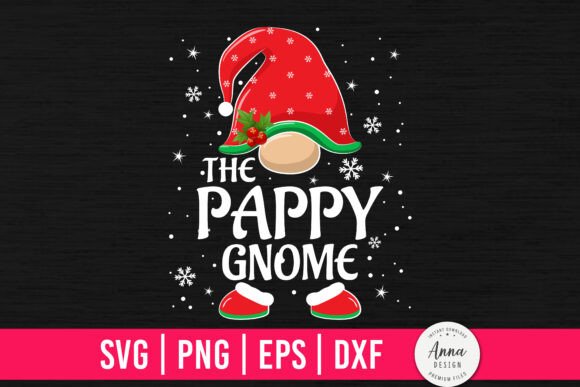
The mood of The Pappy Gnome is instantly welcoming. It carries a rustic charm that feels perfect for autumnal themes, holiday gatherings, or a whimsical nursery addition. The visual personality suggests a seasoned character with a distinct presence, likely featuring a long beard, a pointed hat, and perhaps a mischievous glint in the eye. In the world of handmade goods, this kind of character-driven design is gold. It offers immediate storytelling potential without needing complex text overlays. But does it hold up when we move from screen to fabric?
From Digital File to Finished Product
Let's imagine a real scenario. I am preparing a custom embroidered tote bag for a local craft fair booth. My goal is to create a boutique product that stands out on the shelf against generic mass-produced items. I decide to use The Pappy Gnome as the centerpiece. The design is downloaded, and I begin the digitizing process, which is where the true test begins.
In its original form as a digital embroidery file intended for cutting, the lines are crisp and clean. However, embroidery requires us to think about stitch density and thread coverage. When I simulate The Pappy Gnome on a heavy cotton canvas tote, the large areas of the gnome's hat and beard translate beautifully into fill stitches. The texture of the thread adds a tactile dimension that a flat print simply cannot achieve. Customers at the craft fair can run their fingers over the stitching, feeling the quality of the work, which immediately elevates the perceived value of the item.
This same logic applies to sweatshirt embroidery. Imagine placing The Pappy Gnome on the chest of a cozy fleece pullover. The design's rounded shapes work well with the softness of the knit fabric, creating a comforting, personalized gift vibe. It is not just a logo; it is a feature. For small shop owners and Etsy sellers, this distinction is crucial. Buyers are paying for the "handmade" feel, and a well-executed embroidery design reinforces that promise.
Navigating Fabric and Stitching Challenges
While The Pappy Gnome is versatile, it is not without its pitfalls. An experienced designer knows that no single design fits every surface perfectly. If you plan to use this design on a cap or a curved hat, you must be careful. The curvature of a baseball cap can distort the proportions of a detailed character if the hoop size is too small or if the stabilizer is insufficient. The gnome's facial features might get compressed, losing the charm that made you choose it in the first place.
Texture is another critical factor. While The Pappy Gnome shines on smooth fabrics like twill or canvas, textured fabrics like bouclé or rough linen can hide the finer details. If the fabric is too bumpy, the satin stitch edges may not lay flat, resulting in a messy appearance. Similarly, thin fabrics present a risk. Without a proper stabilizer, the weight of the thread could cause puckering, ruining the drape of the garment. For baby clothes, where comfort is paramount, you must ensure the stitch density is not too high, or the back of the shirt will feel scratchy against delicate skin.
Dark fabrics also require strategic planning. To make The Pappy Gnome pop on a black t-shirt, you need a solid underlay and potentially a contrasting thread color scheme. If the design relies on subtle shading or light colors, they might get lost against a dark background. Always test your thread color contrast before committing to a full production run. A simple mockup in black and white can help you visualize whether the design will maintain its integrity on darker materials.
Practical Notes for the Creative Entrepreneur
Before you start selling finished products featuring The Pappy Gnome, there are several technical steps you must take to ensure professional results. First, always test the design on scrap fabric. This allows you to adjust the tension, check the stabilizer type, and see how the thread behaves under stress. You might find that a tear-away stabilizer works best for your specific project, while a cut-away is needed for items that will undergo frequent washing.
Inspect the small details closely. Does the gnome have tiny buttons or intricate patterns? These elements can sometimes get lost in the stitching process. If the design includes tiny lettering, consider simplifying it or enlarging it slightly to ensure readability. Dense stitch areas should be reviewed to prevent thread breaks or machine jams. If the design is too dense, it may look lumpy rather than plush.
Licensing is a non-negotiable aspect of commercial embroidery. Since The Pappy Gnome is sold as a graphic asset, you must confirm the terms of use regarding finished products. Can you sell items made with this design? Is there a limit on the number of units? Ignoring these terms can lead to legal issues down the road. Ensure you have the right to use the design for both personal projects and commercial ventures before listing your handmade products on platforms like Etsy.
Why This Design Fits Your Craft Business
For those looking to expand their inventory, The Pappy Gnome offers a unique opportunity to tap into the growing market for whimsical, character-based decor. It works exceptionally well for holiday gifts, where customers are looking for something festive and fun. Think of embroidered patches, kitchen towels, or pillow covers featuring this charming figure. The design's versatility allows it to transition seamlessly from a summer garden party theme to a winter holiday decoration.
Furthermore, the design's strong visual identity makes it excellent for branding. If you are building a boutique brand, using a consistent character like The Pappy Gnome across various products—tote bags, aprons, and apparel—creates a cohesive look that customers recognize and trust. It turns a simple product into a memorable experience. When buyers see the design, they immediately associate it with the quality and style of your shop.
In conclusion, The Pappy Gnome is more than just a pretty image; it is a functional tool for creative entrepreneurs. With careful attention to fabric selection, stabilizer choice, and stitch density, this design can elevate your handmade products from ordinary to extraordinary. Whether you are a hobbyist making gifts for friends or a seasoned Etsy seller expanding your catalog, taking the time to understand the nuances of embroidery will pay off in the final result. Just remember to test thoroughly, respect the licensing, and let the craftsmanship speak for itself.