The Wine Gnome: A Designer's Real-World Embroidery Review
When I first opened the file for The Wine Gnome, my initial reaction wasn't about the technical specifications or the file formats. It was about the mood. There is a distinct personality in this design that immediately signals a specific kind of project. As an experienced designer who has spent years turning digital assets into tangible, stitched products, I look for more than just a cute image; I look for viability. Does this design hold up under the needle? Will it age well on a garment? And most importantly, does it tell a story that customers want to wear?
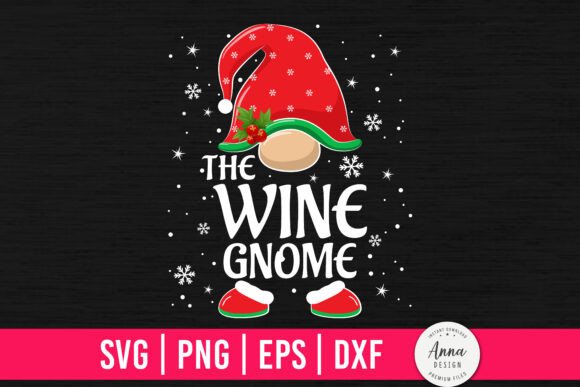
The Wine Gnome feels like a natural fit for the cozy, humorous side of home decor and casual apparel. It isn't trying to be high-fashion or minimalist; it embraces a whimsical, slightly chaotic charm that works perfectly for holiday gatherings, wine nights, or as a playful gift for a friend who loves a good laugh. The shape suggests a character-driven piece rather than a purely typographic one, which gives me plenty of room to play with thread colors and textures.
From Digital File to Finished Product
Imagine you are preparing for a busy weekend at a local craft fair or fulfilling a rush order for a boutique client. You need a product that stands out on a rack but doesn't require hours of hand-finishing. This is where The Wine Gnome shines. I envision this design on a heavy cotton canvas tote bag or a soft fleece sweatshirt. The visual weight of the gnome figure balances well against the texture of these fabrics, creating a finished product that feels substantial and professional.
In a real-life scenario, I recently considered using this design for a line of personalized kitchen towels for a wedding registry package. The concept was "The Wine Lover's Kitchen." When I mocked up the placement on a tea towel, the design didn't get lost in the weave of the fabric. Instead, it popped with a sense of fun that elevated the item from a generic grocery store find to a thoughtful, custom-made gift. For Etsy sellers and small business owners, this distinction is everything. Customers pay for the story and the personality behind the stitch, and The Wine Gnome delivers that narrative instantly.
However, not every surface is created equal. If you are planning to use this embroidery file on a structured cap or a curved hat brim, you need to think carefully about how the design will wrap around the curve. While the gnome's body might flow nicely, any fine details near the edges could distort if the hoop size isn't managed correctly. The same goes for stretchy fabrics like jersey t-shirts. Without proper stabilizer and tension adjustments, the fill stitches might pull the fabric too much, causing puckering that ruins the crisp look of the final product.
Navigating Fabric and Stitch Density
One of the most critical aspects of evaluating a machine embroidery design is understanding its density. The Wine Gnome appears to have areas that rely heavily on satin stitch for definition, likely outlining the face and clothing details, while larger sections probably utilize fill stitch to create volume. This combination can be tricky on thin fabrics. If you attempt to stitch this directly onto a lightweight silk or a sheer polyester without a cut-away stabilizer, you risk tearing the material or having the design look bunched and uneven.
I also recommend testing the color contrast before committing to a full production run. On dark fabrics, the lighter threads of the gnome's beard or hat might disappear unless you use a bright, contrasting color palette or a specific underlay technique. Conversely, on light backgrounds, darker threads provide excellent clarity. As a designer, I always advise checking your thread colors in black and white mockups first. This helps ensure that the value contrast is strong enough for the design to remain legible even when the eye adjusts to different lighting conditions.
For those looking to create embroidered patches or applique designs, The Wine Gnome offers a unique opportunity. The distinct outline makes it suitable for cutting out and applying to other garments, provided you have the right backing material. However, be cautious with tiny lettering or intricate decorative accents within the design. If the original file contains very small text or delicate lines, they may not translate well through the stitching process, especially if the stitch density is too high. Always inspect the vector paths to see if those details are scalable or if they need simplification for embroidery.
Practical Tips for the Creative Entrepreneur
If you are running a craft business or selling handmade goods online, consistency is key. Using a design like The Wine Gnome allows you to build a cohesive brand identity around themes of humor, relaxation, and hospitality. Whether you are listing a new product on Etsy or showcasing a sample at a trade show, the quality of the embroidery speaks volumes about your professionalism. A sloppy stitch job can undermine trust, even if the design itself is adorable. That is why testing on scrap fabric is non-negotiable.
Before you start mass-producing items, I suggest running a test on a piece of the exact fabric you intend to use. Check the hoop size compatibility to ensure the design fits within your machine's capabilities without requiring multiple hooping attempts, which can misalign the pattern. Also, verify whether the design includes the necessary underlays for the specific fabric type you are working with. If you are unsure about the stitch count or the recommended hoop dimensions, take the time to check the documentation provided with the download. Assuming compatibility can lead to wasted materials and frustrated clients.
Furthermore, consider the end-user experience. Products featuring The Wine Gnome are often gifts, so durability matters. Will the embroidery withstand frequent washing? Dense stitch areas can sometimes trap lint or water, leading to discoloration over time. Using high-quality thread and ensuring the design isn't overly dense can mitigate these issues. For commercial embroidery projects, you want a balance between detail and longevity. A design that looks great on day one but fades or frays after three washes is a liability for your reputation.
Final Thoughts on Design Assets
Ultimately, The Wine Gnome is more than just a graphic; it is a tool for creative expression and business growth. It fits seamlessly into categories ranging from baby embroidery for nursery decor to holiday-themed merchandise for seasonal sales. Its versatility allows it to adapt to various print templates and graphics collections, making it a valuable asset for designers who need reliable, high-impact imagery.
Whether you are a hobbyist looking to make a special gift for a neighbor or a seasoned entrepreneur expanding your product line, this design offers a solid foundation. Just remember to respect the limitations of the medium. Test your stabilizers, choose your threads wisely, and always prioritize the structural integrity of the fabric. When done right, the result is a finished product that not only looks beautiful but feels like it belongs in someone's home or wardrobe. That is the true measure of a successful embroidery project.