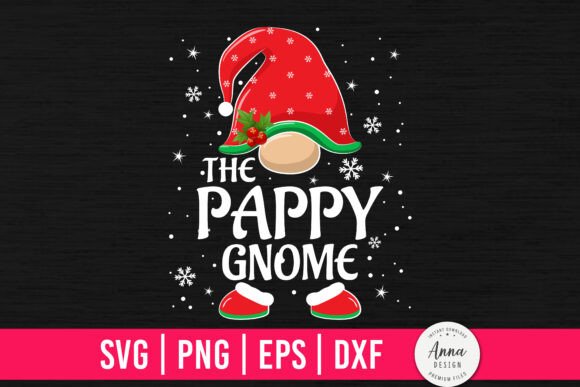
The Papaw Gnome: A Designer's Review for Real Embroidery
When I first opened the file for The Papaw Gnome, my immediate reaction was one of warm recognition. It isn't just another generic graphic; it carries a distinct personality that screams "family tradition." As someone who has spent years reviewing design assets for both personal crafting and commercial boutique lines, I look for more than just visual appeal. I need to know how this design will hold up under the needle, how it translates from a screen to a finished product, and whether it adds value to a handmade item or a custom gift.
This review focuses on the practical application of The Papaw Gnome as a machine embroidery design. While the source files are often categorized under Print Templates and Graphics for cutting machines, the true test lies in its potential as an embroidered piece. Whether you are an Etsy seller looking to expand your holiday inventory or a hobbyist preparing a personalized gift for a grandfather, understanding the nuances of this design is crucial before you commit to stitching.
First Impressions and Design Personality
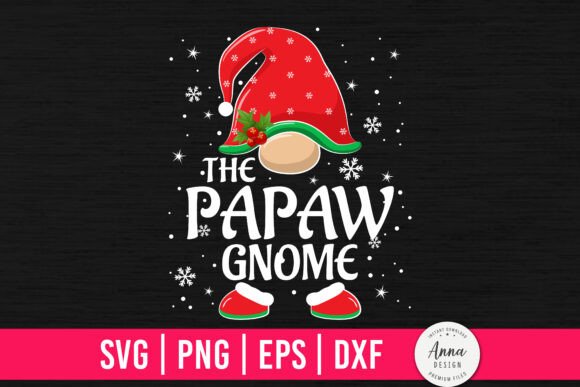
The layout of The Papaw Gnome strikes a balance between whimsy and readability. The character features the classic gnome silhouette but with specific details that anchor it to the "Papaw" theme. Visually, it feels approachable and nostalgic. In the world of embroidery, mood matters because it dictates the emotional response of the recipient. This design naturally belongs in projects centered around family gatherings, holiday celebrations, and home decor.
The shape is compact yet detailed enough to justify a medium-sized hoop. Unlike designs that rely on tiny, fragile lines which can get lost in thick fabrics, this design appears to have solid forms. When I visualize it stitched onto a canvas tote bag or a soft cotton sweatshirt, the visual weight feels appropriate. It doesn't scream for attention so loudly that it overwhelms the garment, but it is distinct enough to be the focal point of a custom apparel piece. For a small business owner, this kind of balanced composition is gold because it photographs well and looks professional on a finished product.
Real-World Application: From Screen to Stitch
To truly evaluate The Papaw Gnome, we must imagine it in action. Let's consider a scenario where I am prepping a custom order for a local craft fair. The client wants a set of matching kitchen towels and aprons for a grandmother who loves her grandkids. She specifically requested something featuring her husband, the "Papaw."
In this context, The Papaw Gnome shines. Kitchen towels and aprons provide a stable surface for embroidery, allowing the design to sit flat without the distortion common on stretchy knit fabrics. The design would likely perform beautifully using a combination of satin stitch for the outlines and fill stitches for the body, creating a textured, raised look that contrasts nicely against the fabric texture. If applied to a baby onesie, the design offers a sweet, personalized touch that parents love to display. However, if placed on a cap, the curvature might challenge the density of the fill stitches unless the digitization is exceptionally precise.
For commercial use, such as listing on Etsy or a Shopify store, this design serves as a versatile asset. It fits perfectly into categories like holiday gifts, wedding favors, or anniversary presents. The versatility allows you to create a cohesive collection: embroidered patches for denim jackets, pillow covers for the living room, or even printed mockups for digital product previews. The key here is consistency. Using The Papaw Gnome across different products creates a recognizable brand identity for your small shop.
Where to Exercise Caution
While the design has strong potential, every experienced designer knows that no single file works everywhere without adjustment. There are specific scenarios where The Papaw Gnome requires careful consideration to avoid a subpar finished product.
First, consider the hoop size. If you attempt to stitch this design on a very small hoop, such as those used for cufflinks or delicate jewelry boxes, the details may become muddy. The lettering, if present, needs sufficient space to remain legible. Tiny text on a dense background often gets swallowed by the thread, especially if the stitch density is high. Always inspect the small details in your digitizing software before sending the file to the machine.
Fabric choice is equally critical. Stretchy fabrics like thin t-shirts or jersey knits can cause puckering if the stabilizer isn't chosen correctly. If you are working with dark fabric, you must select thread colors that offer high contrast. A light-colored gnome on a navy blue shirt might lose definition if the fill stitches aren't opaque enough. Conversely, on white fabric, ensure the thread selection pops rather than blending in too softly.
Textured fabrics, such as heavy fleece or boucle wool, can also pose challenges. The uneven surface might prevent the needle from penetrating cleanly, leading to skipped stitches or misaligned layers. Additionally, if the design includes decorative accents or layered elements, verify that the underlying structure supports them. Products that require frequent washing, like daily wear sweatshirts, need robust stitching to withstand the agitation of the washer and dryer without fraying.
Impact on Value and Professionalism
The quality of your embroidery directly influences customer trust and perceived value. A sloppy stitch job can ruin an otherwise perfect design, while a clean execution elevates a simple motif into a premium product. The Papaw Gnome, when executed with proper technique, signals professionalism. It shows that you care about the details, which is a key factor for buyers browsing handmade goods.
From a branding perspective, a well-executed design fosters engagement. Customers are more likely to share photos of their purchases on social media if the item looks polished. This organic marketing is invaluable for creative entrepreneurs. Furthermore, the design's clear theme makes it highly giftable, increasing the likelihood of repeat purchases during peak seasons like Christmas or Father's Day.
Practical Notes for the Embroidery Designer
Before you start stitching The Papaw Gnome, there are several technical steps you must take to ensure success. First and foremost, always test the design on scrap fabric that matches your final material. This step reveals issues with tension, stabilizer selection, and thread color contrast that you cannot see on a screen.
Review the stitch density carefully. High-density areas can lead to puckering, while low-density areas might look patchy. If the design includes running stitches, ensure they are spaced correctly to maintain the flow of the image. Check your hoop size against the design dimensions to avoid trimming important elements. If you are unsure about the compatibility of the file with your specific machine, consult the documentation or reach out to the creator.
Confirm your licensing terms immediately. If you plan to sell finished items featuring this design, you need explicit permission for commercial use. Some digital files are restricted to personal use only. Ignoring these terms can lead to legal issues and damage your reputation as a responsible seller. Also, test the design in black and white mockups to check the silhouette and balance before committing to expensive thread colors.
Finally, remember that The Papaw Gnome is part of a broader category of graphics and print templates, but its true power lies in its adaptability as an embroidery project. By treating it with the same rigor as any other commercial asset, you ensure that your handmade products stand out in a crowded market. Whether you are making a quick gift for a neighbor or launching a full line of boutique merchandise, taking the time to understand the mechanics of the design will pay off in the quality of your finished product.